
The Most Expensive Resort I've Visited Taught Me About Restraint
A Ritz-Carlton Reserve is not a hotel with premium rooms. It is the architecture of restraint. Rissai Valley is China's only Reserve—Michelin Three-Keys rated, ultra-luxury—and teaches through what it removes, not what it adds.
Author Note
WLTravelbook is curated by an observer whose understanding of hospitality excellence was formed not in boardrooms, but in childhood. Her grandfather established a curated sanctuary on Pangkor Island, Malaysia—part bookshop, part boutique escape, part gathering place for those seeking intentional gatherings and sensory restoration. She grew up watching how a small, deliberate space could become a refuge; how service as restraint creates more presence than service as performance; how the details that matter most are often invisible to those who aren't paying attention.
She visited Rissai Valley, a Ritz-Carlton Reserve, during peak autumn season in October 2025. This is her observation of what happens when serious resources are spent on subtraction instead of display.
There are six Ritz-Carlton Reserves in the world. Rissai Valley, tucked into the Tibetan plateau above Jiuzhaigou in Sichuan Province, is the only one in mainland China—and it holds the prestigious Michelin Three-Keys distinction, marking it among the world's most exceptional luxury properties (per Michelin Key Hotels, 2026). It is also among China's most expensive resorts, with villa rates starting from approximately US$1,448 and reaching US$28,800 for larger accommodations—yet the only way I experienced its doctrine was not through a room, but through what a room teaches you: how to see.
This turned out to be the correct way to encounter a Ritz-Carlton Reserve. A villa asks to be inhabited. A window asks only that you look.
What a Ritz-Carlton Reserve Actually Is
A Ritz-Carlton Reserve is not a premium hotel. It is not a five-star rating system applied to amenities. It is a curated, ultra-limited collection of exactly six properties globally, each designed around a single principle: true luxury is not accumulation but restraint. The subtraction of everything except what matters. Rissai Valley earned Michelin Three-Keys distinction for its unparalleled service, design, and guest experience, a recognition reserved for the world's most accomplished hospitality destinations.
Core Reserve Doctrine:
- Ultra-limited access: 87 villas total, refusing the chaotic volume of hundreds of commercial rooms
- Deep cultural integration: Seamless alignment with local culture and ecology, avoiding themed approximations
- Invisible hospitality: Personalized butler service trained in proactive, silent navigation
- Geographic isolation: Location situated within protected natural reserves rather than commercial tourist zones
- Ecosystem preservation: A deliberate price point that enforces exclusivity and environmental protection
Rissai Valley exemplifies all five. As the first Ritz-Carlton Reserve in China and the sixth in the world, it sits within a 180,000-acre protected nature reserve adjacent to the UNESCO World Heritage Site of Jiuzhaigou National Park.
Access and Arrival: The Architecture of Privacy
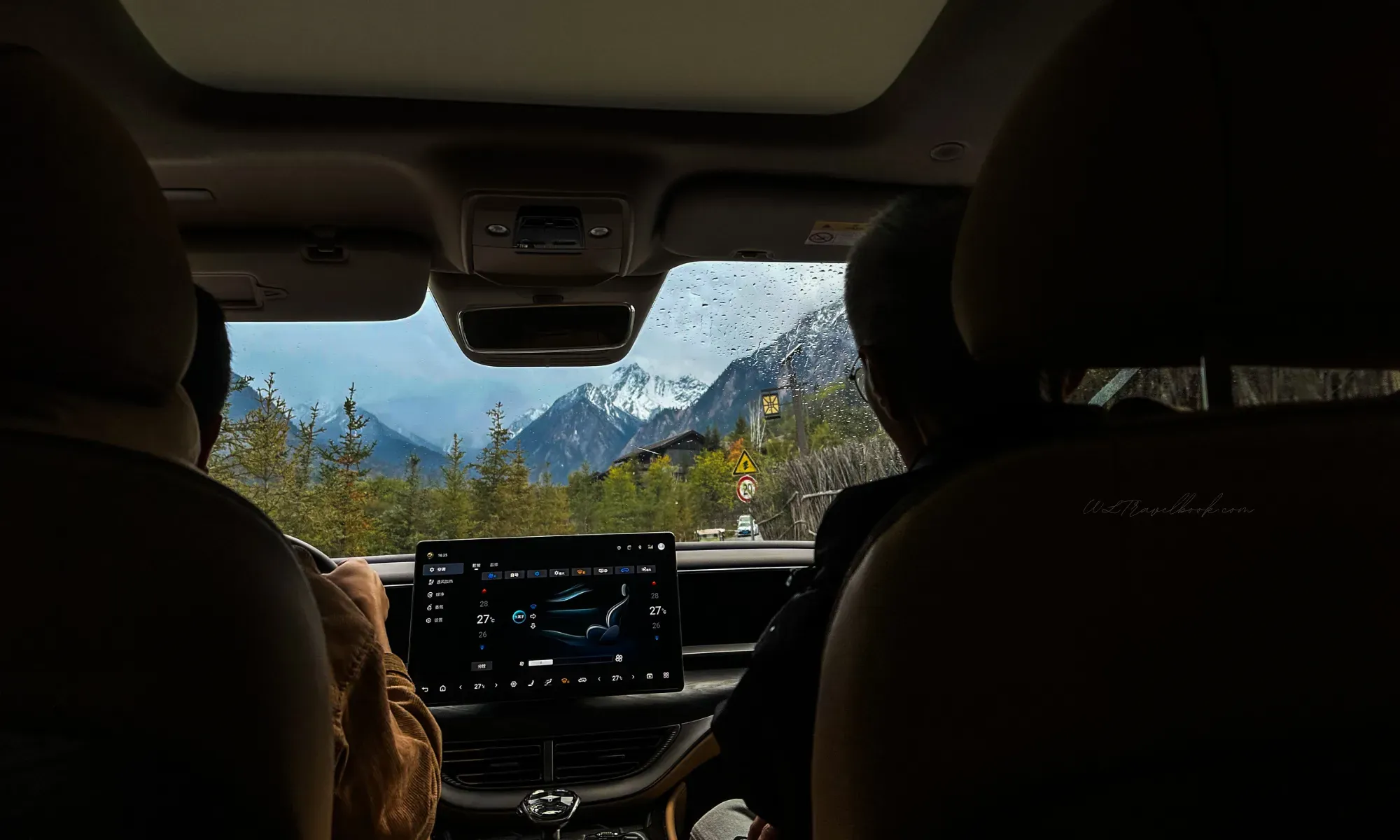
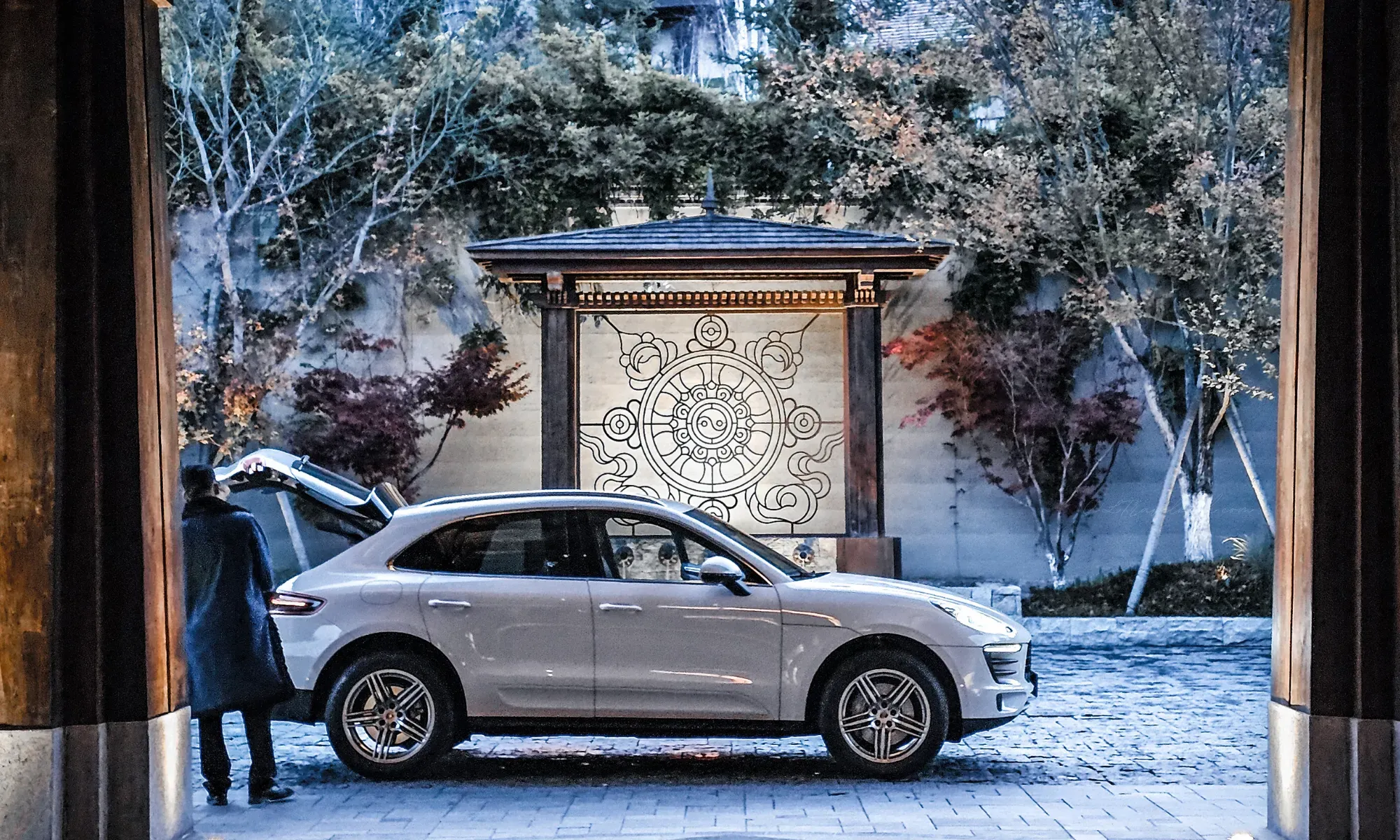
Rissai Valley is genuinely private. Entry requires advance vehicle registration—you must provide your vehicle's identification and precise arrival time 15–30 minutes prior to entry. This is not theatrical gatekeeping; it is security architecture around an all-villa estate designed for absolute seclusion. The property sits at 2,000 meters elevation within one of China's most pristine wilderness areas, offering exclusive access to Jiuzhaigou National Park before public opening hours.
October is peak season. Autumn transforms the valley into a kaleidoscope of colors, making it exceptionally high-demand and requiring booking well in advance, as the resort limits guest capacity to preserve the delicate ecosystem. We arrived to find 40%-50% occupancy and absolute stillness in equal measure.
Upon arrival, guests are welcomed with a traditional Tibetan dance—not as a performance piece, but as a genuine greeting, a moment of cultural presence that sets the tone for what follows. The staff immediately made clear they were not there to perform hospitality, but to share it. They were eager to discuss Jiuzhaigou itself—the valley's ecological significance, the local villages, the seasonal shifts, the history embedded in the landscape. Not scripted talking points. Genuine knowledge, offered as gift.
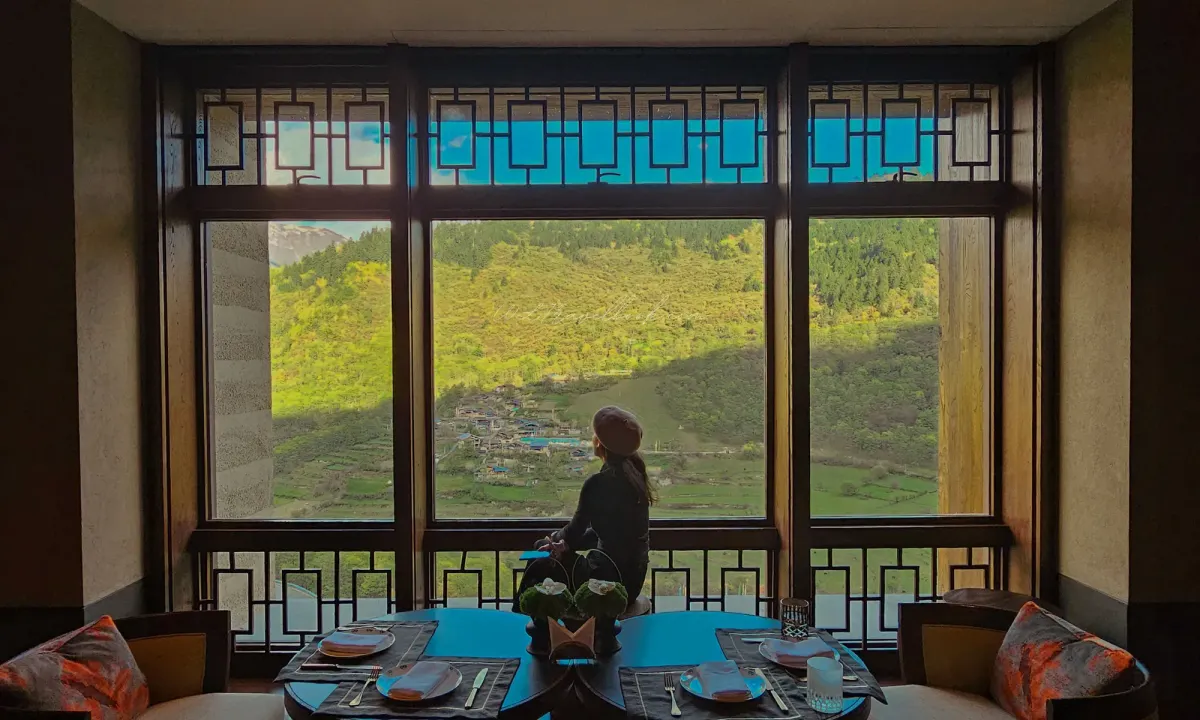
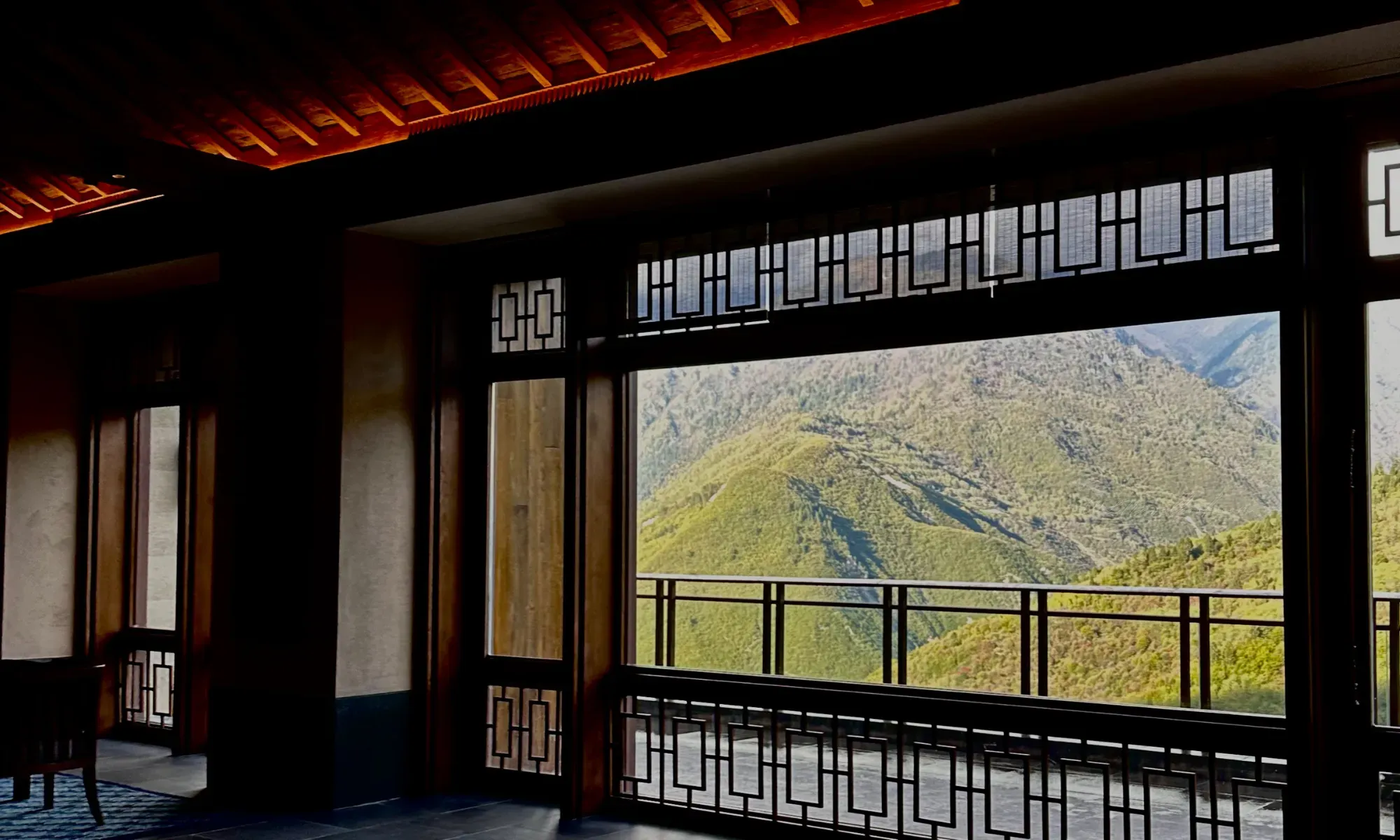
The first thing I understood was this: Rissai Valley doesn't ask you to see the landscape. It frames it. Architecture becomes a device for directing attention—not toward itself, but through itself toward what exists beyond the window.
The Landscape as Teacher
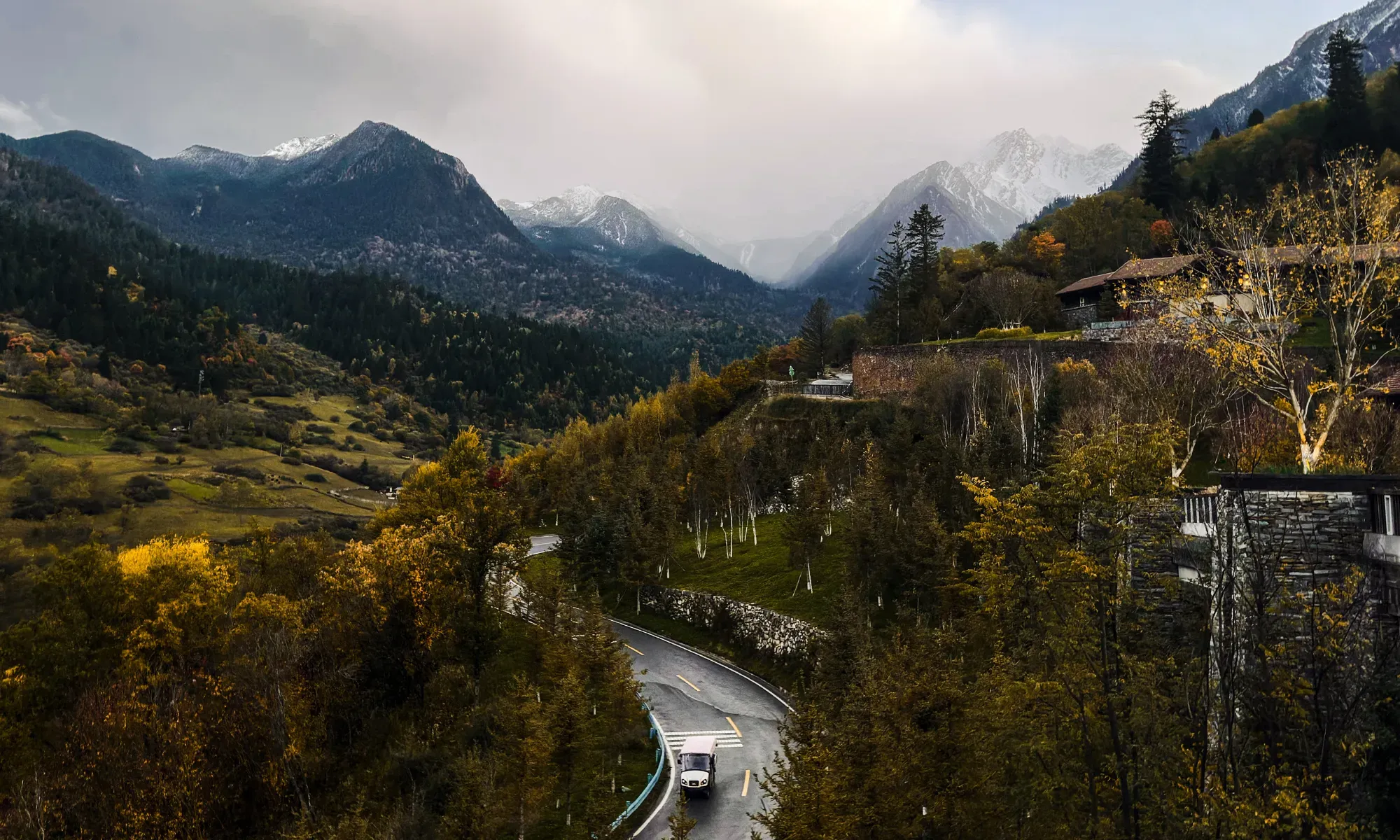
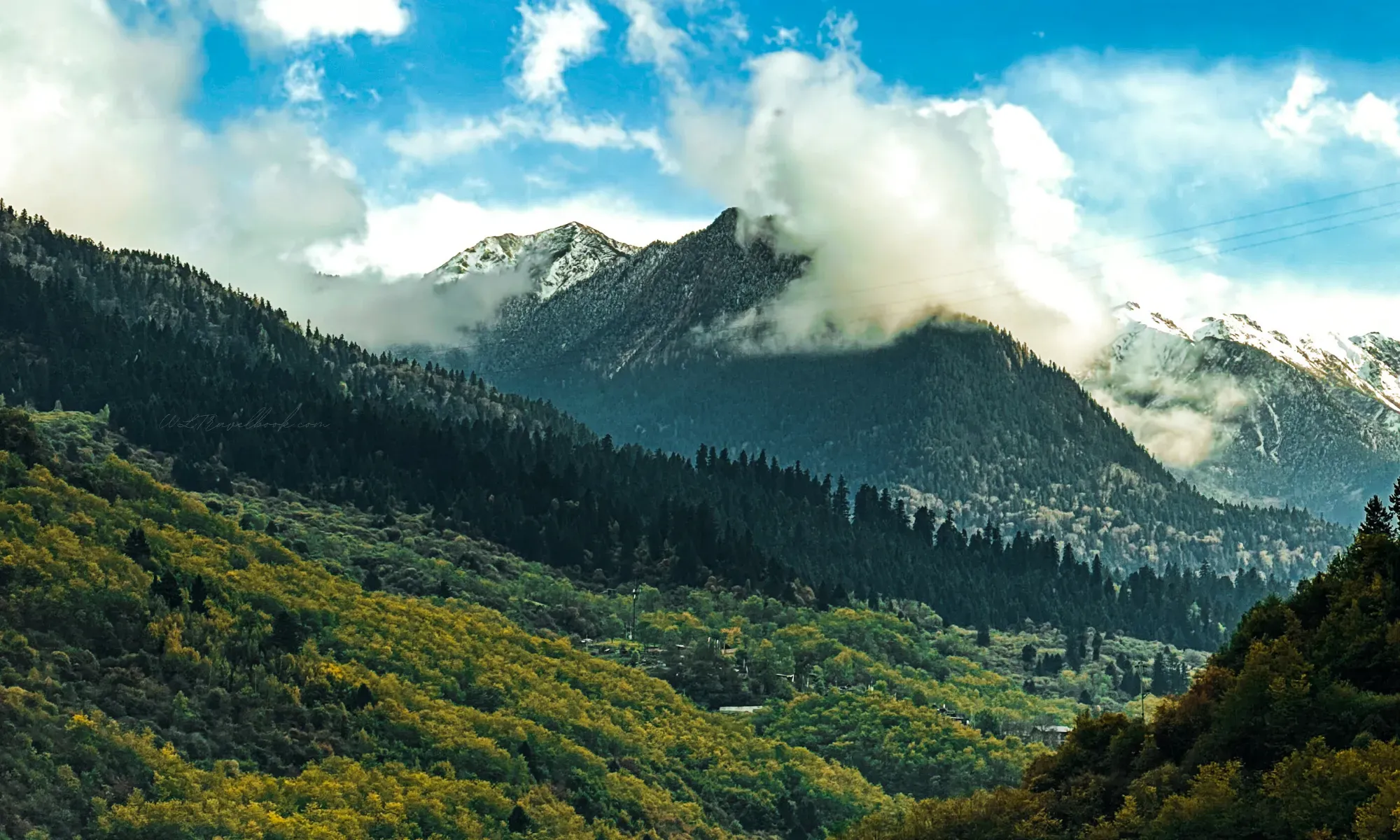
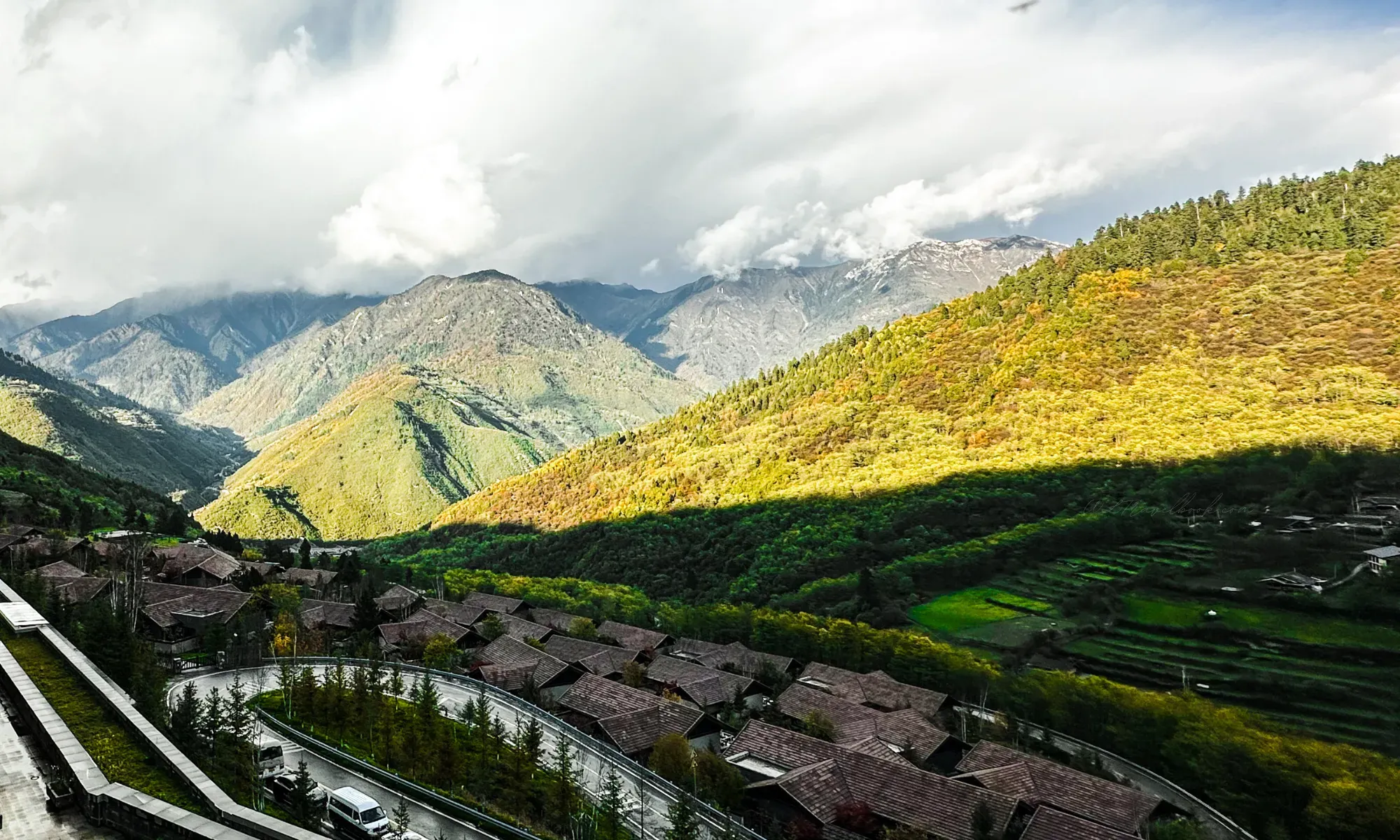
The mountains themselves became the curriculum. The valley at Jiuzhaigou is not a single view; it is a series of revelations—each turn of the road, each shift in light, each altitude change rewrites what "landscape" means.
What strikes you, if you are paying attention, is this: the original inhabitants of this valley did not fight the topography. They conformed to it. The terraces follow the mountain's own logic. The villages settle into valleys that were designed for settling. The architecture, centuries later, simply continues this conversation between human intention and natural form.
Rissai Valley inherits this. It doesn't impose on the landscape; it whispers back to it.
The Tea as Gathering: Autumn Seasonal Afternoon Service
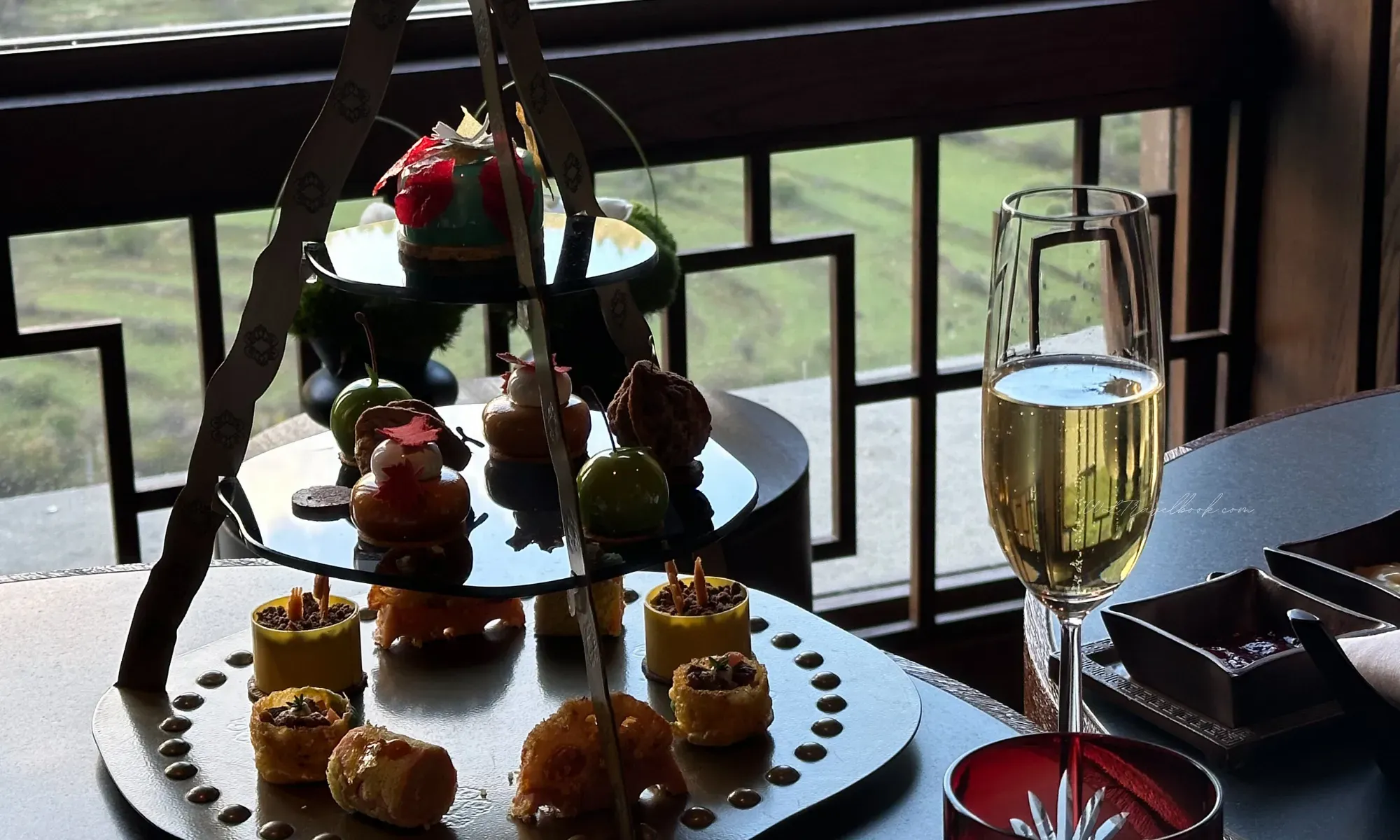
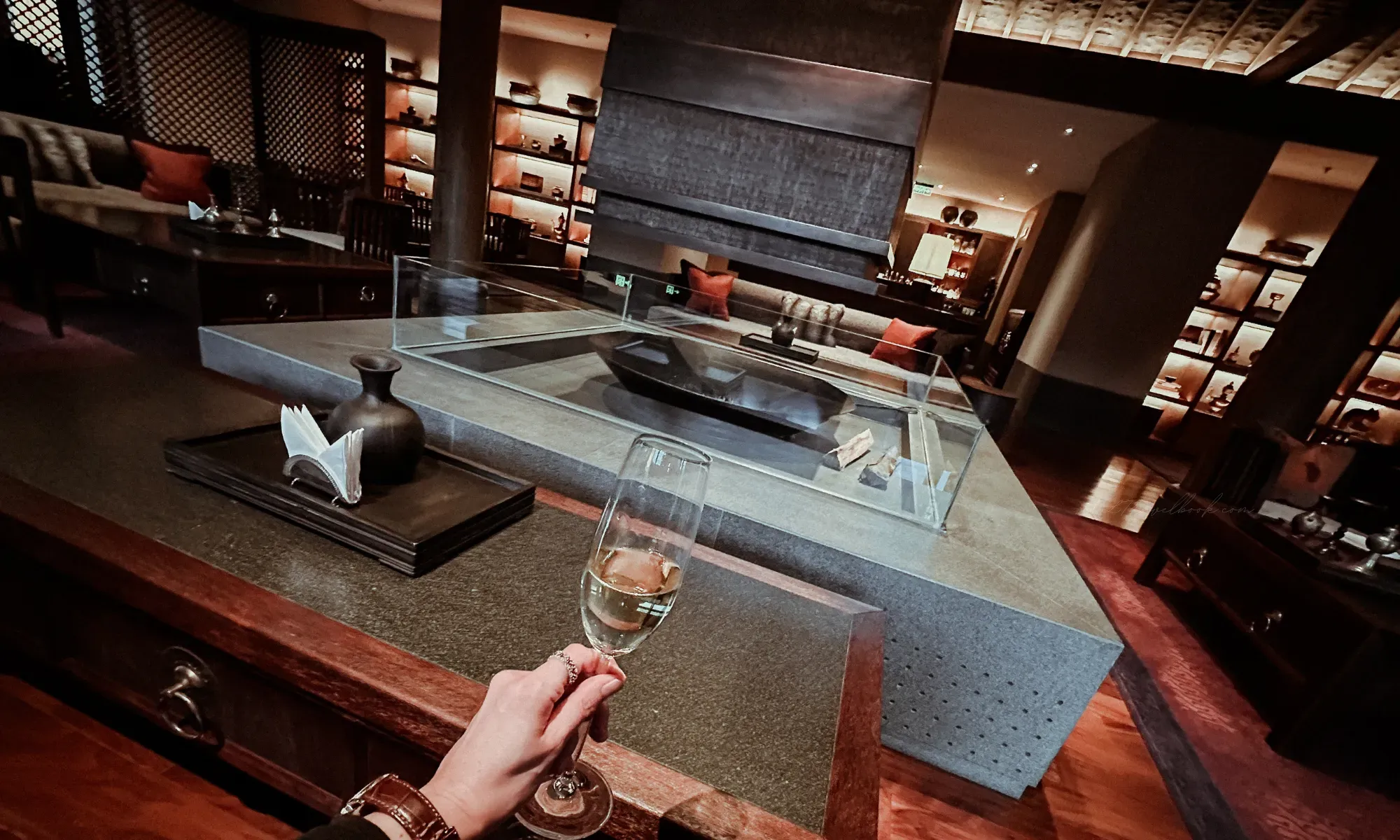
We came for the autumn seasonal afternoon tea—a curated experience priced at 843 RMB for four adults, including four drinks (hot or cold options) and champagne for two (also customizable to hot or cold beverages). An autumn menu built entirely around what the Jiuzhaigou valley offers at this precise moment: the season's peak ingredients, sourced from yards and local producers within the region.
The spread was a masterclass in restraint through abundance. Not abundance of quantity, but of specificity. Each element existed because it represented something about this place in this season:
- Savory components featuring yard-raised meat slices, locally sourced and prepared with precision
- Jiuzhaigou's local blueberries—the region's biggest, sweetest variety, available only in autumn—each one a small revelation of what soil and altitude can produce
- Yard cream, the kind you can taste the sunlight in, paired with local chocolate
- Autumn desserts built around fresh ingredients that won't exist in three weeks
My fiancé sat across from me. My parents, nearby, were unusually still—the kind of stillness that doesn't happen at home, only in rooms architected specifically to produce it.
But here's what made it real: the staff were genuinely chatty. Not performing charm, but sharing knowledge. They discussed each ingredient with actual enthusiasm, explained the sourcing, answered my parents' questions with patience and genuine interest. When my parents wanted photos of the spread, the staff didn't retreat—they actively helped, repositioning dishes, adjusting light, ensuring the moments were captured correctly. They understood that documentation wasn't vanity; it was memory-making, and that mattered.
This is the distinction: service that performs stays distant. Service that shares becomes part of the experience itself.
I noticed it before I understood why: my grandfather ran a small hostel; I have spent a lifetime able to tell, almost immediately, when a room has been designed by someone who understands hospitality not as performance but as restraint. The tea service, the spacing of courses, the manager's invisible presence, the staff's genuine willingness to engage—all of it was calibrated with precision. The margins mattered. The absence mattered more than the presence.
The Preservation Doctrine: Living Village, Living Culture
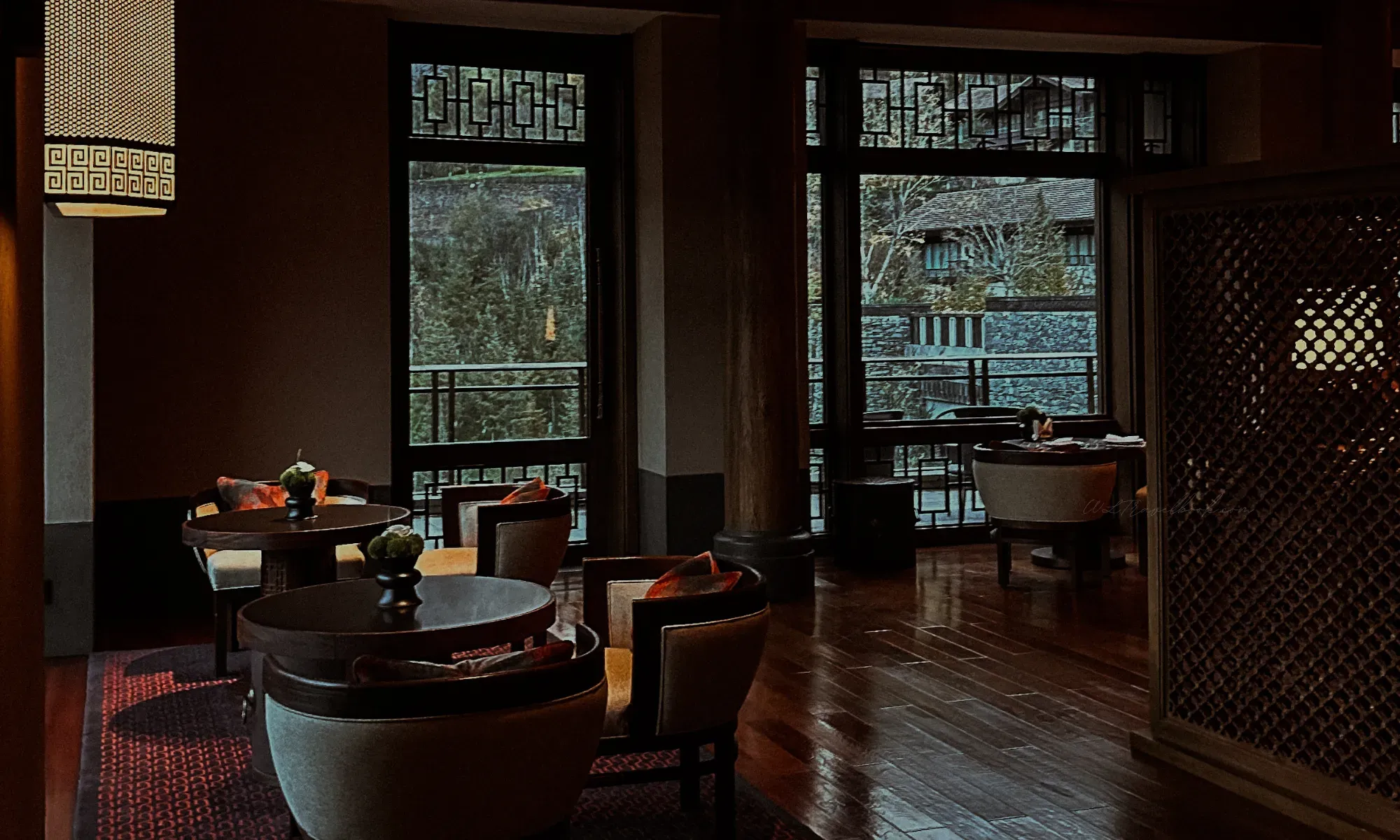
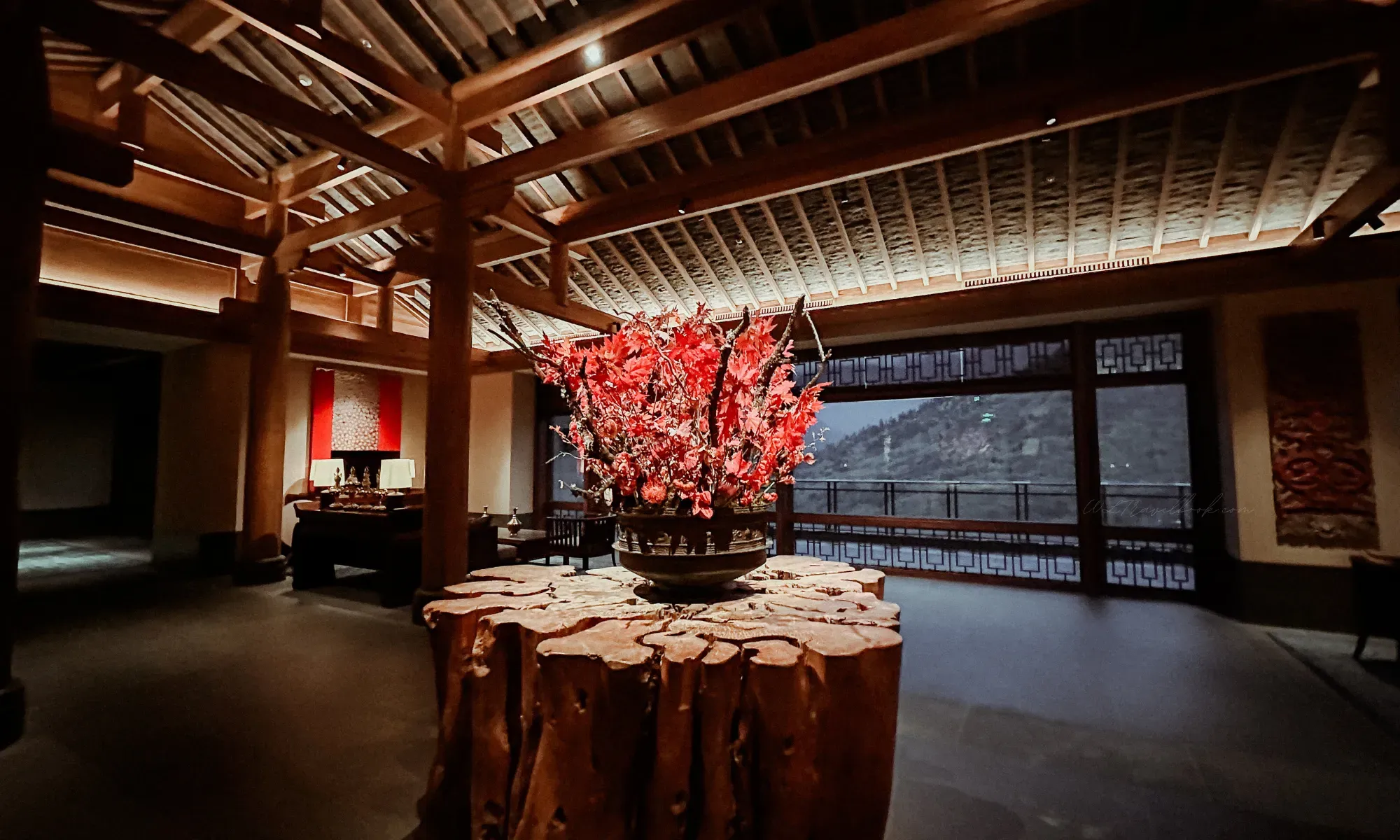
Rissai Valley does something most luxury resorts treat as set decoration: it actually preserves. The property was built within the original Tibetan villages of Jiuzhaigou—not themed after them, not marketed around them, but integrated among them. The architecture, designed by WATG with interiors by the late Jaya Ibrahim, blends into the surrounding environment through a strict selection of local materials, colors, finishes, and accessories drawn directly from Tibetan culture.
The name itself signals this integration: "Rissai" comes from the Tibetan word for "village," a graceful echo of Jiuzhaigou's own meaning—"nine villages"—the ancient Tibetan and Qiang communities that lie along the valley.
The resort's 87 villas are a contemporary expression of the surrounding ancient villages, designed drawing from Tibetan culture, with sweeping views of the Minshan mountains. The difference: staff are drawn from the local Tibetan community; activities are led by resident villagers, not imported instructors. Their daily life is not a performance. It is the actual foundation of the place.
Even the furnishings tell this story. The bed in one villa—imported from Thailand—sits in conversation with Tibetan architectural language rather than competition with it. It is not "Thai furniture in a Tibetan room." It is a dialogue: two traditions of craftsmanship recognizing each other across distance, both understanding the value of material, proportion, and silence.
This is the restraint doctrine made literal. Every material choice exists because it has earned its place. Nothing decorative. Everything necessary.
What Rissai Valley Offers Non-Overnight Guests:
- High tea and seasonal dining: Autumn seasonal afternoon tea service, 843 RMB (includes four drinks and champagne for two)
- Cultural immersion: Authentic Tibetan workshops and traditional crafts led directly by resident villagers; welcome Tibetan dance upon arrival
- Ecological menus: Seasonal culinary programs built around Jiuzhaigou's natural calendar and local seasonal harvests
- Philosophy access: Entry to the property's architectural design and service ecosystem without the full residency cost
- Genuine engagement: Staff eager to share knowledge about Jiuzhaigou, local ingredients, and cultural context
Booking access: Local channels: Meituan (¥843 for seasonal afternoon tea, four adults) or directly through Ritz Carlton Jiuzhaigou official site or International booking with promo access: Trip.com
Disclosure: WLTravelBook uses affiliate partnerships with Trip.com. When you book through our link, you receive RM20 in exclusive promo codes for hotels and flights, and WLTravelBook receives a small commission at no additional cost to you. This doesn't influence editorial coverage—we feature properties we genuinely recommend, regardless of affiliate status.
The Frame as Doctrine
The most sophisticated moment at Rissai Valley isn't the most beautiful view. It's the view you have to search for—the landscape framed by doorways, windows, openings you almost miss. This is what I mean by "architectural silence": the building doesn't announce the landscape. It frames it, steps aside, lets the landscape speak.
The manager who oversaw our tea moved like someone who had decided, long ago, that calm was a professional skill, not a personality trait. I recognized the precision of his movements immediately—the kind of calibration that only comes from training in invisible service, where the guest should never sense the machinery behind the calm.
My reservation, made through Meituan with a fifteen-minute phone confirmation, required zero concierge theater. No performance of exclusivity. No rehearsed narratives. The tea arrived without explanation. The manager's presence was felt only when needed, then dissolved seamlessly back into the quiet.
This is what happens when a property stops trying to prove its luxury and simply maintains it.
Frequently Asked Questions About Visiting Rissai Valley
How much does the autumn seasonal afternoon tea cost?
The autumn seasonal afternoon tea is priced at 843 RMB, including four beverages (hot or cold, your choice) and champagne for two (also customizable to hot or cold drinks). The menu features seasonal Jiuzhaigou local ingredients, including yard cream, local strawberries, blueberries, local chocolate, and yard-raised meat. Bookings can be made through Meituan or directly via ritzcarltonjiuzhaigou.com with 24–48 hours advance notice.
What should I expect from the staff?
The staff at Rissai Valley are trained in genuine hospitality, not theatrical service. They are knowledgeable about Jiuzhaigou's ecology, history, and local culture, and they actively share this knowledge with guests. They are helpful with photography, attentive to comfort, and present without being intrusive. Expect a welcome Tibetan dance upon arrival and staff who are genuinely engaged with your experience rather than performing it.
Can you visit if you don't stay overnight?
Yes. The property welcomes non-resident guests for dining experiences and specific cultural activities. The autumn seasonal afternoon tea serves as the primary public-facing offering. All reservations require advance booking; unarranged walk-ins are strictly not accommodated to maintain guest privacy and ecosystem preservation.
Is it worth visiting if you're not staying?
Only if you visit to notice what the property is doing—how service functions as genuine engagement rather than performance, how culture is integrated rather than performed, how restraint reads at this scale. If you are visiting merely for casual social media documentation or superficial pastry photography, the experience will not align with the property's actual doctrine.
When is the best time to visit?
Autumn (September to October) offers a breathtaking kaleidoscope of colors, peak seasonal ingredients, and represents high-demand season requiring booking weeks in advance. The autumn seasonal afternoon tea specifically showcases Jiuzhaigou's finest autumn harvest. Spring (April to May) and early summer (June) offer slightly lower occupancy levels while maintaining exceptional weather and full cultural activity access.
The Doctrine, Stated Plainly
The most expensive room in China teaches you nothing by itself. What it teaches—if you are paying attention—is what happens when serious resources are spent on subtraction instead of display.
Rissai Valley, a Ritz-Carlton Reserve did not need to impress me. It simply continued being exactly itself, operating at a register so quiet you have to lean in to hear it. And in leaning in, you begin to understand: the silence isn't empty. It's full of intention.
Next: Where to stay if you want to watch this valley from a respectful distance—and why I'd choose that view again.